
Healthy infrastructure is the foundation of a strong city -- which is why the City of Tampa launched the Progressive Infrastructure Plan to Ensure Sustainability (PIPES).
With PIPES, the City of Tampa is investing in Tampa's tomorrow is moving forward with the largest public works project in the City’s history, one that will transform the 100-year-old water and wastewater infrastructure that serves over to 733,000 people.
PIPES is $2.9 billion funding plan for large-scale sewer and water infrastructure improvements. It was passed by the Tampa City Council in September 2019 after nearly 10 years without a utility rate increase. The funding plan allows the City to adopt a proactive approach to renew our infrastructure, prevent breakdowns, and provide long-term, permanent fixes to our water and wastewater systems.
To help vulnerable households adapt to the rate increase, the City expanded its customer assistance program. Qualifying residential utility customers can apply for the Customer Assistance Program. If approved, all water and wastewater base charges will be waived.
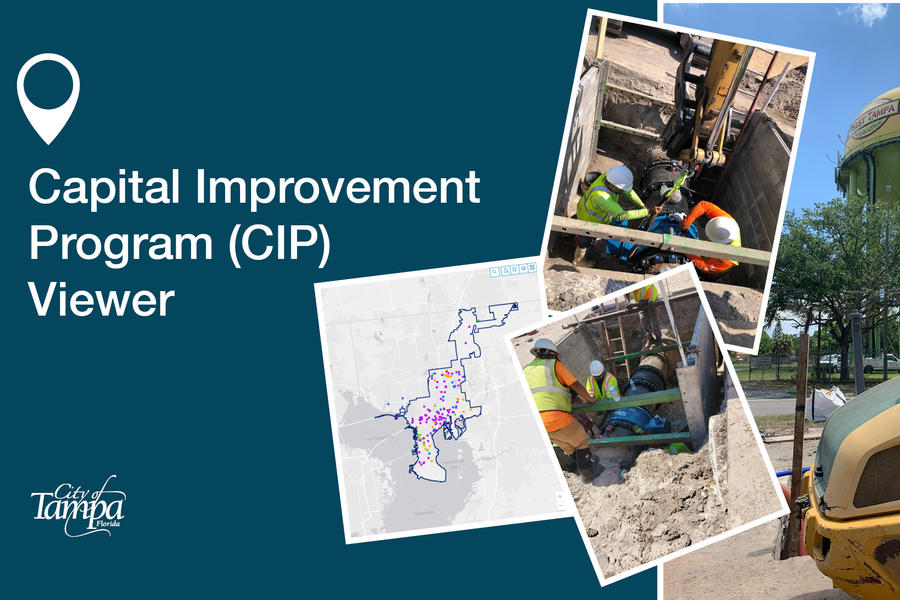
The Capital Improvement Program Viewer makes it easy to learn about water and wastewater projects that have been funded thanks to PIPES.
PIPES was approved by City Council in September 2019 and went into effect later that year. Subsequent increases in water and wastewater rates will take effect every October 1st until October 2040. In addition to increases in consumption (usage) rates, PIPES added monthly base charges to cover fixed costs. The City is one of the last in the state of Florida to implement base charges.
Starting October 1, 2021, the average residential customer who lived inside the City of Tampa limits, saw their monthly bill change from $51.97 to $57.06. (This did not include Solid Waste charges.)
See the current rate schedule for residential and commercial customers
The City of Tampa’s pipe systems and treatment plants are old and in need of replacement. Some of the equipment and materials are nearly 100 years old. By the time that PIPES was approved by City Council in November 2019, the annual cost to repair broken pipes had reached $20 million. The resulting main breaks and cave-ins created traffic delays and congestion that impacted entire neighborhoods. If pipes that have reached the end of their useful life not replaced, the reactive costs for repairing broken pipes would continue to grow. We would also run the risk of not being able to provide reliable water and wastewater services.
The City did not start installing a large amount of pipe before the 1940s. Most of the pipe installed in the 1940s through the 1960s was cast iron pipe. The pipe has a lifespan of 80 to 100 years. A large replacement program was not needed until recently. The City spent three years analyzing the pipes in our systems and the equipment at the treatment plants to determine what needed to be replaced, when it needed to be replaced, how much it would cost, and how we could fund it.
The City of Tampa offers a Customer Assistance Program (CAP) for qualifying residential utility customers.
If you answer yes to all three questions below, you may be able to qualify to participate in CAP.
Household Income Limits are based on FY 2026 Fair Market Rent areas and may be subject to change each fiscal year.
| Number of People in the Household | 50% Median Household Income Limits for FY 2026 |
|---|---|
| 1 Person | $40,150 |
| 2 People | $45,850 |
| 3 People | $51,600 |
| 4 People | $57,350 |
| 5 People | $61,950 |
| 6 People | $66,550 |
| 7 People | $71,150 |
| 8 People | $75,700 |
If your CAP application is approved, you must take the following actions to remain in the program: